Best Rabbit Breeds for Beginners: A Friendly Guide
The best rabbit breeds for beginners, with size, temperament, lifespan, and grooming notes for each, plus honest guidance on what every first-time rabbit owner needs.
Bringing home your first rabbit is exciting, and choosing the right breed can make the experience smoother and more rewarding. While every rabbit is an individual and personality matters more than breed alone, some breeds tend to be friendlier, hardier, and easier to care for than others, which makes them a gentler introduction to rabbit keeping. This guide walks through the best rabbit breeds for beginners, with honest notes on size, temperament, lifespan, grooming, and the top health concerns for each, so you can pick a companion that fits your life.
Before we get to breeds, one important reminder: no rabbit is a low-effort, cage-bound starter pet. Every breed here needs space, unlimited hay, daily care, a rabbit-savvy exotic vet, and gentle handling over a lifespan that often reaches 8 to 12 years. With realistic expectations, any of these breeds can be a wonderful first rabbit.
Beginner Rabbit Starter Essentials

Unlimited grass hay is about 80 percent of any rabbit's diet, the single most important purchase.

GUTINNEEN Indoor Rabbit Playpen
A roomy pen gives any beginner rabbit the space it needs instead of a small hutch.
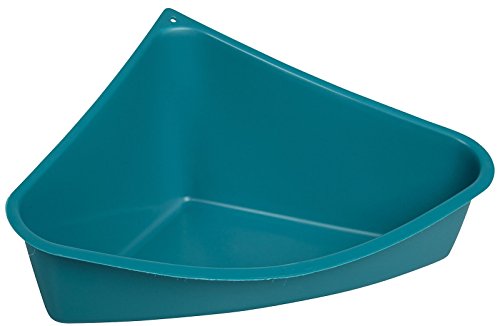
Rabbits litter-train readily, and a corner box makes setup easy for a first-time owner.

Oxbow Essentials Adult Rabbit Food
A measured portion of plain timothy pellets rounds out a healthy beginner diet.
What Makes a Breed Beginner-Friendly?
The easiest breeds for new owners share a few traits: a calm, friendly temperament that tolerates gentle handling, a hardy constitution without exaggerated features that cause health problems, a manageable size for housing and handling, and a short coat that does not require intensive grooming. Breeds that check these boxes give beginners more room to learn. The hardest breeds for newcomers, by contrast, are the long-wooled rabbits that need near-daily grooming and the giant breeds that demand huge space.
Dutch Rabbit
The Dutch is often called the ideal beginner rabbit. Weighing 3.5 to 5.5 pounds, it is a hardy, well-balanced breed with a famously calm, friendly temperament and a long lifespan of 8 to 12 years. Its short, glossy coat needs only weekly grooming. Without the dwarf or lop features that drive some health problems, the Dutch avoids the worst dental and ear issues, though like all rabbits it can develop dental disease, GI stasis, or obesity if its care slips. Its even temperament and easy upkeep make it a forgiving first rabbit.
Mini Rex
The Mini Rex, at 3 to 4.5 pounds, pairs an irresistibly soft velvet coat with a calm, docile personality that suits beginners well. Its plush fur is very low-maintenance, since over-brushing can damage it, so light weekly grooming is plenty. The one thing to watch is sore hocks: the velvet coat leaves less padding on the feet, so soft, solid flooring is important. Its mellow nature and easy grooming make it a popular choice, with a typical lifespan of 7 to 10 years.
Holland Lop
The Holland Lop, weighing 2 to 4 pounds, is one of the most popular pet rabbits thanks to its compact size, sweet lopped ears, and generally calm, people-oriented temperament. Its short rollback coat needs only weekly grooming. As a lop breed, it is more prone to ear infections and dental malocclusion, so routine ear and tooth checks matter. With a lifespan of 7 to 10 years and a friendly nature, the Holland Lop is a forgiving and affectionate first rabbit for an owner ready to watch those lop-specific concerns.
Lionhead
The Lionhead, at 2.5 to 3.75 pounds, brings a glamorous wool mane and a friendly, playful personality. It is a good beginner option for someone who enjoys a slightly more involved grooming routine, since the mane needs combing two to three times a week to prevent mats and reduce swallowed wool. Watch for dental issues common to small breeds. With a lifespan of 7 to 10 years, the Lionhead suits a beginner happy to commit to regular mane care in exchange for its charming looks.
Other Solid Beginner Choices
Several other breeds also suit new owners. The Mini Lop, at 4.5 to 6 pounds, is friendly and sturdy, though as a lop it shares the ear and dental watch-points and tends toward weight gain. The Himalayan is a calm, gentle, hardy breed often praised for its docile nature. In truth, mixed-breed rabbits from shelters can be some of the best first pets of all, combining hardy health with known adult temperaments. Whatever the breed, choose the individual rabbit whose personality clicks with you.
Breeds to Approach With Caution as a Beginner
A few breeds are better saved for later. English Angoras and other long-wooled rabbits demand near-daily grooming and careful wool-block prevention, which is a heavy commitment for a first rabbit. Giant breeds like the Flemish Giant need enormous space, sturdy housing, and have shorter lifespans of 5 to 7 years. Very tiny, high-energy dwarfs such as the Netherland Dwarf and Dwarf Hotot can be more skittish or feisty and are more prone to dental disease. None are off-limits, but they ask more of a new owner.
What Every Beginner Rabbit Needs
No matter which breed you choose, the care essentials are the same. Provide unlimited grass hay as about 80 percent of the diet, a daily handful of leafy greens, and a small measured portion of plain timothy-based pellets. Give your rabbit a large pen as a home base plus several hours of daily free-roam exercise in a rabbit-proofed area. Spay or neuter for better litter habits and health, keep a clean litter box, and provide chew toys and a hideout. Most importantly, find a rabbit-savvy exotic vet before you bring your rabbit home, and never bathe your rabbit.
The best rabbit breed for a beginner is a hardy, friendly, manageable rabbit whose personality suits your home, backed by your commitment to proper care. Lead with hay, give your rabbit space and gentle handling, and partner with a good exotic vet, and your first rabbit can be a joyful companion for many years to come.
Rabbit Care Planner
Track your rabbit's health, meds, vet visits, mobility, nutrition, and quality of life, all in one printable planner.
Editor's Pick · Affiliate link
A Chew-Proof Two Storey Hutch
Rabbits chew everything, and a wooden hutch becomes a repair project and a health risk once it is soaked and gnawed. A full metal frame with two levels gives the vertical space rabbits actually use, and it survives the chewing that destroys cheaper housing.
Frequently Asked Questions
What is the best rabbit breed for a first-time owner?
There is no single best breed, but the friendliest, hardiest, and lowest-maintenance breeds are the easiest for beginners. The Dutch, Mini Rex, Holland Lop, and Lionhead are all popular first rabbits thanks to their calm temperaments and manageable size. More important than breed, though, is choosing an individual rabbit with a friendly personality and committing to proper care: space, unlimited hay, an exotic vet, and gentle handling. Adopting an adult rabbit also lets you see its temperament up front.
Are any rabbit breeds truly low-maintenance?
No rabbit is a hands-off, low-maintenance pet, but some breeds are easier than others. Short-coated breeds like the Dutch and Mini Rex need only weekly grooming, and hardy breeds without exaggerated dwarf or lop features tend to have fewer health worries. Every rabbit, regardless of breed, still needs daily fresh hay and greens, litter scooping, several hours of exercise, an exotic vet, and a rabbit-proofed home. Plan for moderate daily effort over a lifespan of 8 to 12 years.
Should a beginner get a baby rabbit or an adult?
Adopting an adult rabbit is often the better choice for a beginner. With an adult, you can see the rabbit's true size, temperament, and personality rather than guessing, and many adoptable adults are already spayed or neutered and litter-trained. Baby rabbits are adorable but their personality is still developing, and they require spaying or neutering as they mature. A calm, friendly adult from a shelter or rescue can be a wonderful, lower-surprise first rabbit.
Is it better to get one rabbit or two for a beginner?
Rabbits are social and often happiest with a bonded companion, but a beginner can start with one rabbit and provide lots of daily interaction. If you would like two, adopting an already-bonded, fixed pair is the easiest route, since bonding unfamiliar rabbits takes patience and skill. Avoid buying two unfixed rabbits on impulse, as they may fight or breed. A single rabbit with plenty of attention or a pre-bonded pair are both good beginner options.
Which rabbit breeds are hardest for beginners?
The most demanding breeds for beginners are the wooled breeds and the giants. English Angoras and other long-coated rabbits need near-daily grooming and careful wool-block prevention, which is a lot for a first-time owner. Giant breeds like the Flemish Giant need enormous space, sturdy housing, and have shorter lifespans. Very tiny, high-energy dwarfs can also be more skittish. Beginners are usually better served by a hardy, short-coated, medium-small breed.
How much does it cost to care for a beginner rabbit?
Budget for both setup and ongoing care. Initial costs include a large pen, litter box, food and water dishes, hideouts, toys, and spaying or neutering, which can run a few hundred dollars. Ongoing monthly costs cover hay, fresh greens, pellets, and litter, plus annual exotic vet checkups that cost more than typical cat or dog visits. Emergencies can be expensive, so many owners set aside a small fund or consider pet insurance for exotics.
Do beginner-friendly breeds still need an exotic vet?
Yes. Every rabbit, no matter how hardy or beginner-friendly the breed, needs a rabbit-savvy or exotic vet. Rabbits are prey animals that hide illness until they are quite sick, and conditions like GI stasis and dental disease can become emergencies quickly. Before bringing any rabbit home, locate an exotic vet in your area and budget for annual checkups. Having that relationship in place is one of the most important parts of responsible rabbit ownership.
Need more help caring for your rabbit?
Browse our guides by topic to find practical solutions.
Wellness Planner: $39