Baby Bunny Care Guide: Raising a Healthy Kit
A warm baby bunny care guide: alfalfa hay and young pellets, weaning age, when to switch to timothy, handling, baby-proofing, and the first vet visit.
There is little in the world as heart-melting as a baby rabbit, all twitchy nose and clumsy hops. Young rabbits, properly called kits, have different needs than adults, and getting those early months right sets the foundation for a long, healthy life of 8 to 12 years. This guide walks you through feeding a growing bunny, knowing when to switch hays, safe handling, baby-proofing, and timing that all-important first vet visit and spay or neuter. Everything here follows House Rabbit Society best practices and exotic-vet guidance, with plenty of cozy reassurance along the way.
Feeding is where baby bunny care differs most from adult care, so let us start there. Growing kits need richer food than grown rabbits.
Baby Bunny Essentials
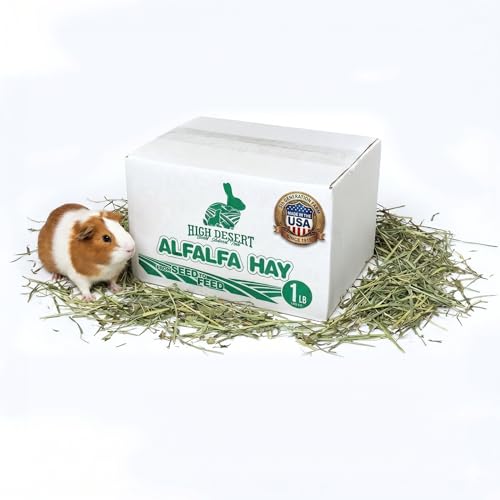
High Desert High Desert Alfalfa Hay for Young Rabbits
Calcium-rich alfalfa fuels healthy growth in kits under 7 months

Oxbow Oxbow Essentials Young Rabbit Food
Alfalfa-based pellets formulated for growing young rabbits
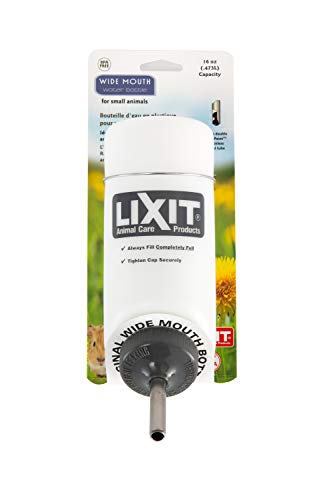
Lixit Lixit Wide Mouth 16oz Water Bottle
A small, easy-sip water bottle sized for young bunnies

Oxbow Oxbow Timothy Hay Bungalow Hideout
A cozy, edible hideaway for a nervous young rabbit
Feeding a Growing Kit
Baby rabbits are building bone and muscle quickly, so they need more calcium and protein than adults. That means unlimited alfalfa hay and an alfalfa-based, young-rabbit pellet during these early months. At the same time, always keep grass hay available so your kit develops a taste for it before the big switch. Go easy on fresh greens while the digestive system matures, and skip sugary fruit treats for now. Above all, change any food slowly, since a young rabbit's gut is especially prone to dangerous upsets.
When to Switch to Timothy Hay
As your rabbit approaches adulthood around seven months, it is time to transition from rich alfalfa to grass hay and from young-rabbit pellets to an adult timothy formula. Do this gradually over a week or two, mixing increasing amounts of the new food into the old. Adult rabbits do not need alfalfa's extra calcium and calories, and staying on it too long can contribute to weight gain and bladder sludge. This switch is a normal milestone, and a slow approach keeps the gut happy throughout.
| Age | Hay | Pellets | Notes |
|---|---|---|---|
| Under 7 months | Unlimited alfalfa, plus grass hay | Young-rabbit alfalfa pellets, unlimited | Growth phase, go slow on greens |
| About 7 months | Transition alfalfa to timothy | Transition to adult timothy pellets | Switch gradually over 1 to 2 weeks |
| Adult, 7 months plus | Unlimited grass hay | Measured timothy pellets | Add varied greens, treats sparingly |
Weaning and Bringing Your Kit Home
A baby rabbit should never leave its mother before about eight weeks of age. Kits rely on mom's milk and on developing the right gut bacteria, and separating them too early can cause fatal digestive failure. Responsible breeders and shelters wait until kits are fully weaned and eating solids confidently. If someone offers you a rabbit younger than eight weeks, treat it as a warning sign. A properly weaned kit will already be munching hay and pellets and ready to settle into a calm new home.
Rabbit Care Planner
Track your rabbit's health, meds, vet visits, mobility, nutrition, and quality of life, all in one printable planner.
Safe Handling and Baby-Proofing
Young rabbits are fast, fragile, and easily startled, so handle them gently and always at floor level to prevent dangerous falls. Support the chest and hindquarters fully and keep sessions short and positive. Baby-proofing matters even more for curious kits: cover electrical cords, block gaps where a tiny rabbit could squeeze and get stuck, move toxic houseplants out of reach, and remove anything small enough to swallow. Give your kit plenty of safe chew toys so all that growing energy and curiosity has a healthy outlet.
The First Vet Visit and Spay or Neuter
Book a wellness exam with a rabbit-savvy or exotic vet soon after your kit arrives. The vet will check weight, teeth, and overall health, and help you plan the spay or neuter, usually done once your rabbit reaches sexual maturity around four to six months. Spaying females dramatically lowers the risk of uterine cancer, while neutering calms hormonal behavior and helps litter training. Young rabbits can go downhill fast if something is wrong, so knowing your vet and the early signs of GI stasis is one of the best gifts you can give your growing bunny.
Related Rabbit Guides
Editor's Pick · Affiliate link
A Chew-Proof Two Storey Hutch
Rabbits chew everything, and a wooden hutch becomes a repair project and a health risk once it is soaked and gnawed. A full metal frame with two levels gives the vertical space rabbits actually use, and it survives the chewing that destroys cheaper housing.
Frequently Asked Questions
What should a baby rabbit eat?
Young rabbits under about seven months have growing bodies that need extra calcium and protein, so they get unlimited alfalfa hay alongside a young-rabbit, alfalfa-based pellet. They should also have constant access to grass hay so they learn to love it early. Hold off on lots of fresh greens and any sugary treats while the gut is still developing. Always provide fresh water, and introduce any food change slowly to protect a delicate digestive system.
When do I switch a baby rabbit from alfalfa to timothy hay?
Around seven months of age, as your rabbit reaches adulthood, begin transitioning from rich alfalfa to grass hay like timothy and from young-rabbit pellets to an adult timothy-based formula. Make the switch gradually over a couple of weeks by mixing the two, since abrupt changes can upset the gut. Adult rabbits do not need alfalfa's high calcium and calories, and continuing it long-term can contribute to weight gain and bladder issues.
How young is too young to bring a baby rabbit home?
Baby rabbits, called kits, should never be separated from their mother before about eight weeks of age. Weaning too early deprives them of vital nutrition and the gut bacteria they need, which can cause fatal digestive problems. Reputable breeders and shelters wait until kits are fully weaned and eating solid food well before rehoming. If anyone offers a rabbit younger than eight weeks, it is a serious red flag worth walking away from.
When should I spay or neuter my young rabbit?
Most rabbit-savvy vets recommend spaying or neutering once a rabbit reaches sexual maturity, often around four to six months depending on size and the individual. Females in particular benefit, since spaying greatly reduces the risk of uterine cancer, which is common in unaltered does. The procedure also calms hormonal behaviors like spraying and improves litter habits. Discuss the right timing with your exotic vet, who will weigh your rabbit's age, weight, and health.
How do I handle a baby rabbit safely?
Keep handling gentle, low, and brief while your kit is small and easily startled. Sit on the floor so a wriggle or jump cannot lead to a dangerous fall, and always support the chest and hindquarters fully. Baby rabbits have fragile spines, so never let them dangle or kick in mid-air. Short, calm sessions build trust without overwhelming them. Let your young rabbit come to you and reward calm curiosity rather than chasing or grabbing.
Does a baby rabbit need a vet visit?
Yes, schedule a wellness exam with a rabbit-savvy or exotic vet soon after you bring your kit home. The vet can confirm a healthy weight, check for dental alignment and parasites, discuss the upcoming spay or neuter, and answer your questions. Young rabbits can decline quickly if something is wrong, so knowing your vet and the signs of GI stasis is essential. Establishing care early means you have a trusted professional ready if trouble arises.
Why does my baby rabbit eat its own droppings?
This is completely normal and healthy. Rabbits of all ages produce special soft droppings called cecotropes, which they eat directly from the bottom to absorb essential nutrients and vitamins. You usually will not even see this happen. It is not a sign of hunger or illness, it is a clever part of rabbit digestion. The dry, round pellets you find scattered around are the true waste. If your rabbit stops producing droppings entirely, contact your vet right away.
Need more help caring for your rabbit?
Browse our guides by topic to find practical solutions.
Wellness Planner: $39