Rabbit Dental Disease and Molar Spurs
Overgrown teeth, molar spurs, and malocclusion cause drooling and weight loss in rabbits. Learn the signs, why hay matters, and when your rabbit needs a vet.
Dental disease is one of the most common and most underestimated health problems in pet rabbits. Unlike our teeth, a rabbit's teeth never stop growing. They are designed to be worn down a little every day by hours of chewing fibrous grass hay. When that natural wear goes wrong, teeth overgrow, sharp points form, and a rabbit can quietly slide into pain, weight loss, and even a life-threatening gut shutdown. The encouraging news is that good diet and regular checkups prevent or catch most of these problems early.
This guide explains malocclusion, molar spurs, and overgrown incisors in plain language, so you can recognize the warning signs and know when to act. It is educational and meant to support, not replace, the care of a rabbit-savvy or exotic vet, who has the instruments needed to see and treat the back of your rabbit's mouth.
Dental-Friendly Picks for Rabbits


Oxbow Critical Care Recovery Formula
High-fiber syringe food for a rabbit eating poorly during dental flare-ups
Why Rabbit Teeth Are Different
A rabbit has 28 teeth, and every one of them grows continuously for life, by as much as a couple of millimeters a week. This open-rooted design evolved for a wild diet of tough, abrasive grasses. In a healthy mouth, the constant grinding of hay keeps the incisors at the front and the molars at the back worn to the right length and shape. The whole system depends on chewing the right food. Take the hay away, and the teeth keep growing with nothing to wear them down.
Malocclusion: When the Bite Goes Wrong
Malocclusion is the term for teeth that no longer meet and wear correctly. It comes in a few forms:
- Incisor malocclusion: The front teeth grow past each other instead of meeting, so they curl, splay, or stick out, sometimes dramatically. This is common in flat-faced breeds with shortened skulls.
- Molar malocclusion: The cheek teeth wear unevenly and form sharp spurs. This is hidden and often more dangerous than incisor problems because owners cannot see it.
- Acquired malocclusion: Develops over time, usually from a diet too low in hay, while congenital malocclusion is present from birth, often genetic.
Malocclusion is a managed condition, not a one-time fix. A rabbit prone to it will typically need periodic veterinary dental work for the rest of its life.
Rabbit Care Planner
Track your rabbit's health, meds, vet visits, mobility, nutrition, and quality of life, all in one printable planner.
Molar Spurs: The Hidden Hazard
Molar spurs are the sharp points that form when the back teeth wear unevenly. Because they sit deep in a narrow mouth, you cannot see them by simply peeking in. They grow toward the tongue on the lower teeth and toward the cheek on the upper teeth, eventually cutting into soft tissue and causing painful sores. A rabbit with molar spurs may want to eat but find it too painful, dropping food, drooling, and losing weight while still seeming interested in meals. This is exactly the kind of hidden pain that triggers GI stasis, which is why a thorough oral exam by an exotic vet is so valuable.
Signs of Dental Trouble
Because rabbits hide pain, dental disease often shows up indirectly. Watch for:
- Drooling or a wet chin: Often called slobbers, a classic sign of mouth pain.
- Dropping food: Picking food up and letting it fall, or making a mess while eating.
- Eating selectively: Ignoring hay but eating soft foods, or chewing on one side only.
- Weight loss: A gradual decline as eating becomes uncomfortable.
- Wet or weepy eyes: Overgrown tooth roots can press on tear ducts.
- Facial swelling or lumps: Possible tooth-root abscesses, which need veterinary care.
- Reduced or messy cecotropes: A rabbit in mouth pain may stop eating its cecotropes.
| Sign | What it may mean |
|---|---|
| Drooling, wet chin | Molar spur or overgrown tooth causing pain |
| Overgrown front teeth | Incisor malocclusion |
| Weepy eye on one side | Tooth root pressing on the tear duct |
| Jaw or face lump | Possible tooth-root abscess |
| Eating soft food, refusing hay | Back-tooth pain from spurs |
How Dental Disease Is Treated
Treatment depends on the problem. Overgrown incisors and molar spurs are trimmed and filed by a veterinarian using proper dental burrs, almost always under sedation or anesthesia so the work is precise and pain-free. Please never attempt to trim a rabbit's teeth at home with nail clippers or scissors. The teeth can splinter or shatter below the gumline, causing severe pain and infection. Tooth-root abscesses may need more involved treatment, sometimes including extraction. Rabbits with chronic malocclusion often return for trims every few weeks to months, and many live happy, comfortable lives on this schedule.
Prevention: It Comes Down to Hay
You cannot change a rabbit's genetics, but you can give every rabbit the best chance at healthy teeth by getting the diet right:
- Unlimited grass hay: Timothy, orchard, or meadow hay should be about 80 percent of the diet. The sideways grinding to chew it is what keeps molars even.
- Measured pellets: Keep pellets to a small daily portion so the rabbit fills up on hay, not soft food.
- Leafy greens daily: A varied salad adds moisture and nutrition without replacing hay.
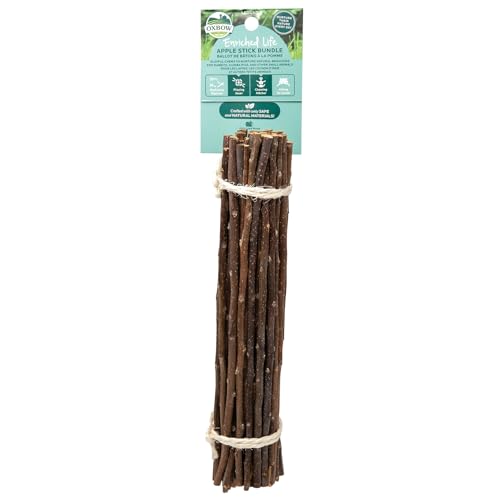
- Safe chew items: Apple and willow sticks add enrichment and extra chewing.
- Regular vet checks: Have a rabbit-savvy vet examine the molars at least yearly, more often for rabbits with a history of dental disease.
Most dental problems are slow and silent, so the owner who watches weight, knows the warning signs, and feeds a true hay-first diet is the rabbit's best protection. When something seems off in your rabbit's mouth or appetite, do not wait. A prompt visit to an exotic vet can spare your bunny a great deal of pain.
Related Guides
- Why Is My Rabbit Not Eating? - Dental pain is a top reason rabbits stop eating.
- GI Stasis in Rabbits - How hidden tooth pain can trigger a gut emergency.
- Common Rabbit Health Problems - See dental disease among the top rabbit conditions.
Editor's Pick · Affiliate link
A Chew-Proof Two Storey Hutch
Rabbits chew everything, and a wooden hutch becomes a repair project and a health risk once it is soaked and gnawed. A full metal frame with two levels gives the vertical space rabbits actually use, and it survives the chewing that destroys cheaper housing.
Frequently Asked Questions
What are molar spurs in rabbits?
Molar spurs are sharp points that form on the back teeth when a rabbit's molars do not wear down evenly. A rabbit's teeth grow continuously throughout life and are meant to be ground flat by chewing long-strand hay. When wear is uneven, the edges grow into spikes that dig into the tongue or cheek, causing painful ulcers. Spurs are hidden deep in the mouth and usually cannot be seen without special equipment, so they are easy to miss until the rabbit starts dropping food, drooling, or losing weight.
What does malocclusion mean in rabbits?
Malocclusion simply means the teeth do not meet and wear correctly. It can affect the front incisors, the back molars, or both. When the bite is misaligned, the teeth keep growing without being worn down, leading to overgrown incisors that curl or stick out and molar spurs at the back. Causes include genetics, especially in flat-faced breeds, a diet too low in hay, and previous injury. Malocclusion is a lifelong condition that is managed rather than cured, often with periodic dental trims under anesthesia.
How do I know if my rabbit has dental problems?
Watch for drooling or a wet, matted chin, dropping food while eating, eating more slowly or favoring one side, picking at food but not finishing, and gradual weight loss. Some rabbits paw at their mouths, develop bad breath, or stop eating hay while still nibbling soft foods. Wet eyes or facial swelling can signal tooth roots pressing on the tear ducts. Because dental disease is a top trigger of GI stasis, any of these signs warrants a prompt exam with a rabbit-savvy or exotic vet.
Can diet prevent dental disease in rabbits?
Diet is the single most important factor you control. Unlimited grass hay should make up around 80 percent of the diet, because the long sideways chewing motion needed to grind hay is exactly what wears the molars flat and even. Rabbits fed mostly pellets and soft treats chew far less and develop dental problems much more often. Provide timothy or orchard hay free-choice, offer safe chew items like apple sticks, and keep pellets measured. A hay-first diet will not undo genetic malocclusion but greatly reduces preventable wear problems.
How are overgrown rabbit teeth treated?
Overgrown incisors and molar spurs are trimmed and filed by a veterinarian using proper dental instruments, usually under sedation or anesthesia so the work can be done safely and thoroughly. Never trim a rabbit's teeth yourself with clippers, which can shatter the tooth and cause serious injury. Rabbits with chronic malocclusion often need these trims repeated every few weeks to months for life. In some cases of severely misaligned incisors, a vet may recommend removing them entirely, after which most rabbits eat comfortably.
Why is my rabbit drooling?
Drooling, sometimes called slobbers, is one of the clearest signs of dental disease in rabbits. It usually means a sharp molar spur or an overgrown tooth is making it painful to chew and swallow normally, so saliva pools and runs onto the chin. The fur under the chin and along the jaw becomes wet, matted, and sometimes inflamed. Drooling is never normal in a rabbit and should be checked by an exotic vet promptly, because the underlying tooth problem will only worsen and can lead to stasis.
Are apple sticks and chew toys good for rabbit teeth?
Safe chew items like untreated apple, willow, and other rabbit-safe woods give rabbits something satisfying to gnaw and encourage natural chewing, which supports dental health and provides enrichment. They are a helpful addition, but they are not a replacement for hay. The fine, repetitive grinding of long-strand grass hay does the real work of keeping the molars worn evenly. Think of chew toys as a useful supplement to a hay-first diet rather than the main event. Always choose products sold specifically as rabbit-safe.
Need more help caring for your rabbit?
Browse our guides by topic to find practical solutions.
Wellness Planner: $39