Best Rabbit Water Bottles and Bowls 2026
Compare 6 of the best rabbit water bottles and bowls for 2026. Heavy ceramic dishes and leak-resistant bottles for better hydration, plus the bottle vs bowl debate.
Water is easy to overlook, but hydration is quietly one of the biggest levers in rabbit health. Good water intake supports the kidneys and bladder and helps prevent the urinary problems rabbits are prone to. There is a long-running debate among owners about bottles versus bowls, and the modern consensus from many rabbit-savvy vets leans toward a heavy bowl, because rabbits tend to drink more from an open dish than from a bottle's narrow spout.
We compared popular rabbit water bottles and bowls using published specifications, materials, capacity, stability, and the recurring themes in verified owner reviews. We did not test these ourselves. Instead we judged each one against what supports good hydration and hygiene: leak resistance and easy cleaning for bottles, and weight, stability, and non-porous material for bowls. Below are six we recommend, a comparison table, and guidance on the bottle versus bowl question.
Best Rabbit Water Bottles and Bowls 2026

Heavy, tip-resistant stoneware dish that lets rabbits drink naturally; vets often prefer bowls.

Wide, stable 11oz ceramic bowl that is easy to clean and hard to tip for a steady water dish.

DQITJ Anti-Tip Ceramic Bowls, 3-Pack
Three small anti-turning ceramic bowls for water, pellets, and greens, all easy to wash.
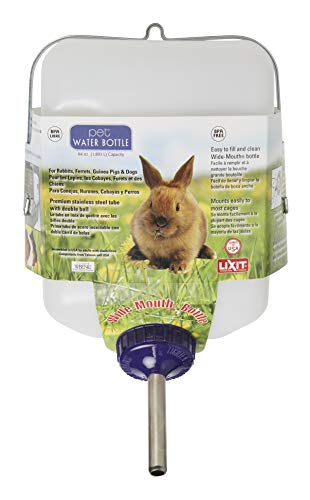
Lixit All-Weather Water Bottle, 64 oz
Large widemouth bottle that stays spill-free and clean, good as a backup or for travel.
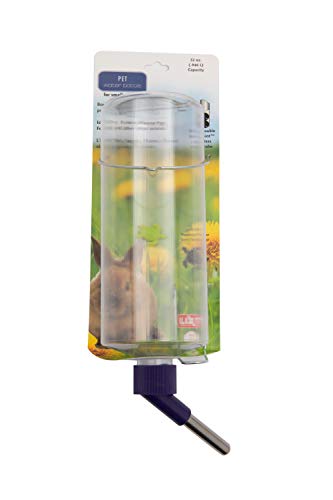
Lixit Standard Cage Water Bottle, 32 oz
Classic 32oz hanging bottle that keeps water free of hay and droppings in a pen setup.
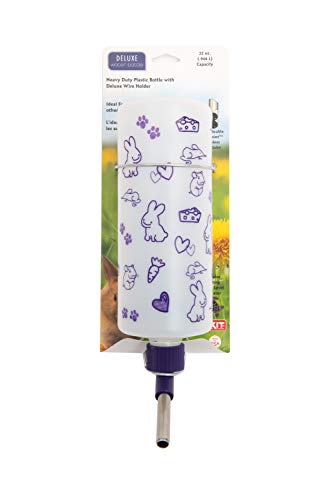
Lixit Weather-Resistant Bottle, 32 oz
Durable 32oz bottle with a heavy-duty mount, a solid spill-free option for cages and hutches.
How Do These Water Options Compare?
| Product | Price | Type | Best For |
|---|---|---|---|
| Kaytee Stoneware Bowl | $4 | Ceramic bowl | Natural drinking, best value |
| Mora Ceramic Bowl | $15 | Ceramic bowl | Wide, stable, easy clean |
| DQITJ Anti-Tip 3-Pack | $13 | Ceramic bowls | Water plus food dishes |
| Lixit 64 oz Bottle | $14 | Water bottle | Large capacity, spill-free |
| Lixit 32 oz Standard | $10 | Water bottle | Pen setups, clean water |
| Lixit 32 oz Weather-Resistant | $8 | Water bottle | Durable mount, budget pick |
How We Picked These Water Options
We did not run a hands-on hydration test. Instead we compared materials, capacity, stability, and cleaning design against what supports rabbit hydration and hygiene, then weighed the recurring patterns in verified owner reviews. We leaned toward heavy ceramic bowls as the primary recommendation, because rabbits generally drink more from an open dish than from a bottle spout, and better intake supports kidney and bladder health. For bowls we prioritized weight and tip-resistance, non-porous material, and a wide, stable shape. For bottles we looked for leak resistance, easy-clean spouts, and a secure mount, since bottles still earn their place for spill-free, contamination-resistant water. The best choice is the one your rabbit actually drinks the most from, so offering both during a transition is sensible. Confirm hydration concerns with a rabbit-savvy vet.
A Closer Look at Each Option
Kaytee Stoneware Ceramic Bowl
Our top overall pick reflects the modern preference for bowls over bottles. This heavy stoneware dish is hard for a rabbit to tip and lets it drink in its natural head-down posture, which encourages the larger water intake that supports urinary health. The non-porous ceramic wipes clean easily and resists odors and scratches. At its low price it is an easy first step if you want to see whether your bottle-drinking rabbit prefers a dish, and most do.
Pros: Encourages natural drinking, tip-resistant, easy to clean, very affordable.
Cons: Open water collects hay and debris, so it needs daily washing.
Mora Ceramic Pet Bowl, Small
This wide, stable 11-ounce ceramic bowl is a step up in size and finish, with a heavy base that resists tipping from a determined rabbit. The generous width suits a rabbit's drinking posture and holds enough water that you are not refilling constantly. The non-porous glaze cleans up quickly and looks tidy in a free-roam setup. It is a dependable everyday water dish that doubles nicely as a pellet or greens bowl if you buy more than one.
Pros: Wide and stable, good capacity, attractive non-porous finish.
Cons: Pricier than basic bowls; still needs daily cleaning.
DQITJ Anti-Tip Ceramic Bowls, 3-Pack
A practical set of three small anti-turning ceramic bowls lets you set up water, pellets, and a little greens station in matching, easy-clean dishes. The anti-tip design helps keep an enthusiastic rabbit from flipping its water, and ceramic stays hygienic. Buying a trio is good value and means you always have a clean spare to swap in while the others wash. It is a tidy, sensible way to outfit a rabbit's food and water corner.
Pros: Three bowls, anti-tip design, good value, easy to clean.
Cons: Smaller individual capacity; better for compact setups.
Lixit All-Weather Water Bottle, 64 oz
If you prefer or need a bottle, this large 64-ounce widemouth model keeps water spill-free and shielded from hay and droppings, which is handy for travel, hutches, or as a clean backup alongside a bowl. The big capacity means fewer refills. The widemouth opening makes it easier to clean than narrow bottles, though you should still scrub the spout regularly, since the nozzle is where slime tends to build up. A reliable spill-proof option.
Pros: Large capacity, spill-free, widemouth is easier to clean.
Cons: Rabbits often drink less from a bottle than a bowl; spout needs regular scrubbing.
Lixit Standard Cage Water Bottle, 32 oz
This classic 32-ounce hanging bottle is the familiar choice for keeping water clean in a pen or cage, free from the hay and droppings that fall into open bowls. It mounts to wire panels easily and holds enough for a day or more. It is a fine backup or supplement to a bowl, particularly if your rabbit's bowl gets soiled quickly. Just keep the spout clean and check daily that the ball valve is flowing freely.
Pros: Keeps water clean, easy pen mounting, familiar design.
Cons: Slower drinking; valves can occasionally stick, so check flow daily.
Lixit Weather-Resistant Bottle, 32 oz
The budget pick of the group, this durable 32-ounce bottle pairs a sturdy build with a heavy-duty mount that holds firm on cages and hutches. It does the core job of delivering clean, spill-free water at the lowest price here, making it a smart inexpensive backup or a primary bottle for owners who prefer that style. As with all bottles, scrub the spout and interior regularly and confirm your rabbit is drinking a healthy amount.
Pros: Durable, secure mount, lowest price, spill-free.
Cons: Bottle drinking still tends to be less than from a bowl.
Keeping Your Rabbit Well Hydrated
- Offer a bowl. Most rabbits drink more from a heavy ceramic dish, which supports kidney and bladder health.
- Keep it fresh. Refresh water at least daily, and more often in warm weather.
- Clean often. Wash bowls daily and scrub bottle spouts regularly, since slime hides in the nozzle.
- Watch intake. A sudden jump or drop in drinking can signal dental, kidney, or other health issues.
- Consider both. Offering a bowl and a bottle during a transition lets your rabbit show its preference.
Fresh water in a vessel your rabbit likes to use is one of the simplest investments in its long-term health. If your rabbit's thirst changes noticeably, or it strains to urinate or passes bloody or gritty urine, see a rabbit-savvy or exotic vet, since these can point to urinary or kidney problems. This guide is educational and does not replace professional veterinary advice.
Rabbit Care Planner
Track your rabbit's health, meds, vet visits, mobility, nutrition, and quality of life, all in one printable planner.
The cages that ship with a bottle you will probably replace are covered in our Ferplast Krolik XXL review and the MidWest Deluxe cage review.
Editor's Pick · Affiliate link
A Chew-Proof Two Storey Hutch
Rabbits chew everything, and a wooden hutch becomes a repair project and a health risk once it is soaked and gnawed. A full metal frame with two levels gives the vertical space rabbits actually use, and it survives the chewing that destroys cheaper housing.
Frequently Asked Questions
Is a water bottle or a bowl better for rabbits?
Many rabbit-savvy vets and welfare groups now favor a heavy bowl, because rabbits drink more naturally and in greater volume from an open dish than from a bottle's small spout. Good hydration supports kidney and bladder health and helps prevent urinary problems. Bottles have the advantage of staying clean and spill-free, so some owners offer both and let the rabbit choose. The most important thing is that fresh water is always available in whatever vessel your rabbit drinks from most.
How much water does a rabbit drink each day?
Rabbits drink a surprising amount, often comparable to a small dog of similar size. Daily intake varies with diet, temperature, and activity, but a rabbit eating lots of fresh greens will drink less, while one on mostly dry food drinks more. Always provide unlimited fresh water and refresh it at least once daily. A sudden large increase or decrease in drinking is worth noting, since changes in thirst can signal dental pain, kidney issues, or other health problems.
Why do vets often recommend bowls over bottles?
Drinking from a bottle's metal spout is slower and less natural than lapping from an open bowl, so rabbits tend to take in less water from bottles. Studies and clinical experience suggest rabbits drink more from a dish, which supports better hydration and urinary health. Bowls also let a rabbit drink in its normal head-down posture. The trade-offs are that bowls can be tipped or soiled, so a heavy ceramic dish that resists spilling is the usual recommendation.
What kind of bowl is safest for a rabbit?
Choose a heavy ceramic or stoneware bowl that is hard to tip over and easy to clean. Ceramic is non-porous, resists scratches and odors, and the weight keeps an enthusiastic rabbit from flipping it. Avoid lightweight plastic bowls, which tip easily, can harbor bacteria in scratches, and may be chewed. A wide, shallow, stable dish suits a rabbit's drinking posture best. Wash bowls daily, since open water collects hay, food, and droppings quickly.
How do I keep my rabbit's water clean?
Refresh water at least once a day, and more often in warm weather or if your rabbit is a messy drinker. Wash bowls daily with hot water and a pet-safe cleaner to prevent biofilm, and scrub bottle spouts and interiors regularly, since the narrow nozzle and bottle neck are where slime hides. Position water away from the litter box and hay so it stays cleaner. Clean, fresh water encourages drinking, which is good for your rabbit's kidneys and bladder.
Should I offer both a bottle and a bowl?
Offering both is a reasonable approach, especially during a transition. If your rabbit has always used a bottle, adding a heavy bowl lets it discover that it often prefers the dish, while keeping the familiar bottle as a backup. Watch which one your rabbit actually drinks from over a few days. As long as fresh water is always available and your rabbit is drinking a normal amount, either vessel is fine, but many rabbits drink more once a bowl is offered.
Need more help caring for your rabbit?
Browse our guides by topic to find practical solutions.
Wellness Planner: $39