Traveling With a Rabbit: A Low-Stress Guide
Travel stresses rabbits and risks GI stasis. Learn how to choose a carrier, keep food available, control temperature, and decide when a pet sitter is the kinder choice.
Whether it is a routine trip to the exotic vet or a holiday visit to family, sooner or later most rabbit owners need to take their bunny on the road. It helps to start with an honest truth: rabbits are not natural travelers. As prey animals who feel safest in familiar surroundings, they find the motion, noise, and strange smells of a journey genuinely stressful, and that stress can suppress appetite and slow the gut. The good news is that careful preparation makes travel far easier and safer for your rabbit.
This guide covers choosing the right carrier, keeping food flowing, managing temperature, and deciding when leaving your rabbit home with a sitter is actually the kinder choice.
Rabbit Travel Essentials

WEVONIGU Rabbit Travel Carrier
A secure, well-ventilated carrier sized so your rabbit can turn and lie down safely.

Small Pet Select Timothy Hay for Rabbits
Pack plenty of hay so your rabbit can keep eating, which guards against GI stasis.
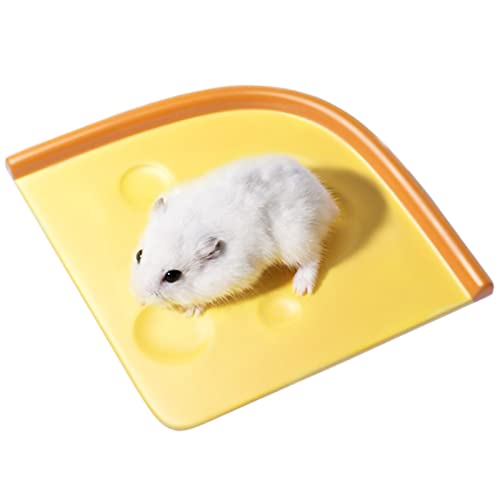
Helps keep a rabbit cool in the carrier on warm travel days, since heat is dangerous.

First, Should You Travel at All?
Before packing the carrier, ask whether your rabbit really needs to come. For most trips, a trusted sitter who understands rabbit care is far less stressful than travel. Rabbits feel safest in their own familiar space, so staying home with daily visits to refresh hay, water, and litter, and to watch for health issues, is usually the kindest option. Reserve travel for necessary trips like vet visits or a permanent move. If you use a sitter, make sure they know the warning signs of GI stasis and have your exotic vet's details.
Choosing and Setting Up the Carrier
When travel is necessary, the carrier matters most. Choose a hard-sided or sturdy, well-ventilated carrier that is big enough for your rabbit to turn around and lie down, but not so roomy that they get tossed about. Line it with a non-slip mat and familiar-smelling bedding, and add a generous handful of hay. A carrier that opens from the top as well as the front makes lifting a nervous rabbit in and out gentler. Always secure it with a seatbelt so it cannot slide or tip during the drive.
Keep Food in Front of Them
Here is a rule that surprises new owners: never withhold food before or during travel. A rabbit's gut must keep moving constantly, so a fasting rabbit is a rabbit at risk. Pack plenty of hay in the carrier and offer a few familiar, water-rich greens like romaine to provide hydration and encourage nibbling. A rabbit that keeps eating on the journey is far less likely to slip into GI stasis. Bring water for stops and offer it whenever you pause, since many rabbits will not drink while the vehicle is moving.
Control the Temperature
Temperature is a genuine safety issue. Rabbits overheat dangerously above about 80 degrees, and a car heats up alarmingly fast, so never leave your rabbit in a parked vehicle even for a moment. In warm weather, run the air conditioning, keep the carrier out of direct sun, and add a cooling tile. In cold weather, keep the car comfortably warm and shield the carrier from drafts. In summer, travel during the cooler parts of the day, and always aim for the steady, moderate range that keeps a rabbit comfortable.
Keep the Journey Calm and Short
Drive smoothly, avoid loud music, and keep the carrier stable and out of full sun. Speak softly and minimize handling at stops, since every disturbance adds stress. Keep trips as short as you can, and on longer drives plan breaks to offer water and check on your rabbit. Air travel is far harder on rabbits and is best avoided unless genuinely unavoidable, such as a permanent move; if you must fly, research airline rules carefully and consult a rabbit-savvy vet first.
What to Pack
- Plenty of hay, your rabbit's usual pellets, and familiar washed greens.
- A non-slip carrier liner and familiar-smelling bedding.
- Water from home and a travel-safe way to offer it.
- A small litter setup or poop bags, plus any medications.
- Your exotic vet's number and a rabbit-savvy vet near your destination.
Watch your rabbit closely for a day or two after any trip. If they stop eating or producing droppings, that can signal travel-induced GI stasis, which is an emergency. With thoughtful preparation, a calm approach, and food always available, you can keep necessary journeys as low-stress as possible for your bunny.
Rabbit Care Planner
Track your rabbit's health, meds, vet visits, mobility, nutrition, and quality of life, all in one printable planner.
Editor's Pick · Affiliate link
A Chew-Proof Two Storey Hutch
Rabbits chew everything, and a wooden hutch becomes a repair project and a health risk once it is soaked and gnawed. A full metal frame with two levels gives the vertical space rabbits actually use, and it survives the chewing that destroys cheaper housing.
Frequently Asked Questions
Do rabbits get stressed when traveling?
Yes, very much so. Rabbits are prey animals who feel safest in familiar surroundings, so the motion, noise, and strange smells of travel are genuinely stressful for them. Most rabbits do not enjoy car rides the way some dogs do. That stress can suppress appetite and slow the gut, which risks GI stasis, so travel is something to do thoughtfully and only when needed. A secure carrier, a calm driver, familiar bedding, and keeping food in front of them all help reduce the strain of a journey.
What kind of carrier is best for a rabbit?
Choose a hard-sided or sturdy carrier that is well ventilated, secure, and big enough for your rabbit to turn around and lie down, but not so large that they get tossed about in transit. Line it with a non-slip mat and familiar-smelling bedding, and add a handful of hay. A carrier that opens from the top as well as the front makes lifting a nervous rabbit in and out far easier and less stressful. Always secure the carrier with a seatbelt so it cannot slide or tip during the drive.
Should I feed my rabbit during travel?
Yes, keep food available the entire time. A rabbit's gut must keep moving constantly, so never withhold food before or during travel the way you might with some animals. Pack plenty of hay in the carrier and offer a few familiar greens with high water content, like romaine, to provide hydration and encourage eating. A rabbit that keeps nibbling on the journey is far less likely to slip into GI stasis. Bring water for stops, and offer it whenever you pause, since a stressed rabbit may not drink while the vehicle is moving.
How do I keep a rabbit cool or warm in the car?
Temperature control is critical because rabbits overheat dangerously above about 80 degrees and a car heats up fast. Never leave a rabbit in a parked vehicle, even briefly. Use air conditioning in warm weather and keep the carrier out of direct sun, and add a cooling tile if it is hot. In cold weather, keep the car comfortably warm and shield the carrier from drafts. Travel during the cooler parts of the day in summer, and always aim for the steady, moderate temperature range that keeps a rabbit comfortable.
Can rabbits travel long distances or fly?
Rabbits can manage car travel when necessary, but long journeys multiply the stress and the GI stasis risk, so keep trips as short as possible and plan breaks to offer water and check on your rabbit. Air travel is far harder on a rabbit and is best avoided unless genuinely unavoidable, such as a permanent move. Cargo holds are especially risky. If you must fly, research airline rules carefully and talk to a rabbit-savvy vet first. For most situations, leaving your rabbit at home with a trusted sitter is kinder than bringing them along.
Is it better to take my rabbit or use a pet sitter?
For most trips, a trusted sitter who understands rabbit care is far less stressful for your rabbit than travel. Rabbits feel safest in their own familiar space, so staying home with daily visits to refresh hay, water, and litter and to watch for any health issues is usually the kindest option. Reserve travel for necessary trips like vet visits or a permanent move. If you do use a sitter, make sure they know the warning signs of GI stasis and have your exotic vet's contact details in case of an emergency.
What should I pack for a rabbit road trip?
Pack more than you think you will need. Bring plenty of hay, your rabbit's usual pellets, familiar washed greens, and water from home if your rabbit is fussy about taste. Include a non-slip carrier liner, familiar-smelling bedding, a travel-safe water source, poop bags or a small litter setup, and any medications. Carry your exotic vet's number plus the contact for a rabbit-savvy vet near your destination. A small first-aid kit and knowing the early signs of GI stasis round out a well-prepared rabbit travel bag.
Need more help caring for your rabbit?
Browse our guides by topic to find practical solutions.
Wellness Planner: $39